Most Brownwood homes were built before energy efficiency was a priority. Adding insulation to your existing attic, crawl space, or walls is one of the most direct ways to lower your cooling bills and make every room in your house comfortable again.
Retrofit insulation in Brownwood, TX means adding insulation to a home that is already built - without tearing out walls or doing major construction - by blowing or injecting material into attics, wall cavities, and crawl spaces through small access points, with most attic jobs completed in one to two days.
Homes built before the 1980s were insulated to standards that are far below what is recommended today. On top of that, insulation settles and thins over decades - sometimes significantly. In Brownwood's climate, where the cooling season runs nearly half the year and attic temperatures can exceed 140 degrees, thin or missing insulation means your air conditioner is fighting an uphill battle every single day from May through September. The impact shows up in your electric bill every summer, and in rooms that never seem to reach a comfortable temperature no matter how low you set the thermostat.
Retrofit insulation works best when paired with proper air sealing. For homes where both are needed, we recommend handling home insulation as a complete project - sealing gaps first, then adding insulation on top - so both layers do their job as designed.
If your cooling costs jump dramatically from May through September and your home still does not feel comfortable, your insulation is likely not doing its job. In Brownwood's climate, a well-insulated home should hold a comfortable temperature without the air conditioner running almost constantly. When the system runs all day and the bill is still high, the insulation is usually the first place to look.
If one bedroom is always stuffy in summer or one corner of the house never warms up in winter, that is a sign of uneven or missing insulation in that area. This is especially common in older Brownwood homes where insulation was added piecemeal over the years, or where a room was added on without proper attention to the building envelope. The problem usually is not your HVAC system - it is what is between the walls and above the ceiling.
If you peek into your attic and can see the wooden beams between the insulation, your coverage is too thin. Proper insulation should completely cover those beams with a thick, even layer. This is one of the easiest self-checks a homeowner can do - and in Brownwood's heat, thin attic insulation translates directly into higher bills and a harder-working air conditioner.
Homes built in Brownwood before the late 1980s were typically insulated to standards considered inadequate today. If you have owned your home for years and cannot recall anyone ever adding insulation, it is very likely the original material has settled and thinned over time. An insulation contractor can measure what is there in about 15 minutes and tell you exactly where you stand.
We start every retrofit project by measuring the existing insulation depth and identifying exactly where coverage is thin or missing. Before any new material goes in, we seal air gaps around light fixtures, pipes, and the attic hatch - skipping this step is the most common shortcut that reduces results. Then we blow insulation to the correct depth across the entire attic floor, making sure there are no thin spots or bare patches when the job is done. For wall projects, small holes are drilled, insulation is injected, and the holes are patched and left ready for paint. Every job ends with a walkthrough and documentation you can keep - including any paperwork you may need to claim a federal tax credit on your return.
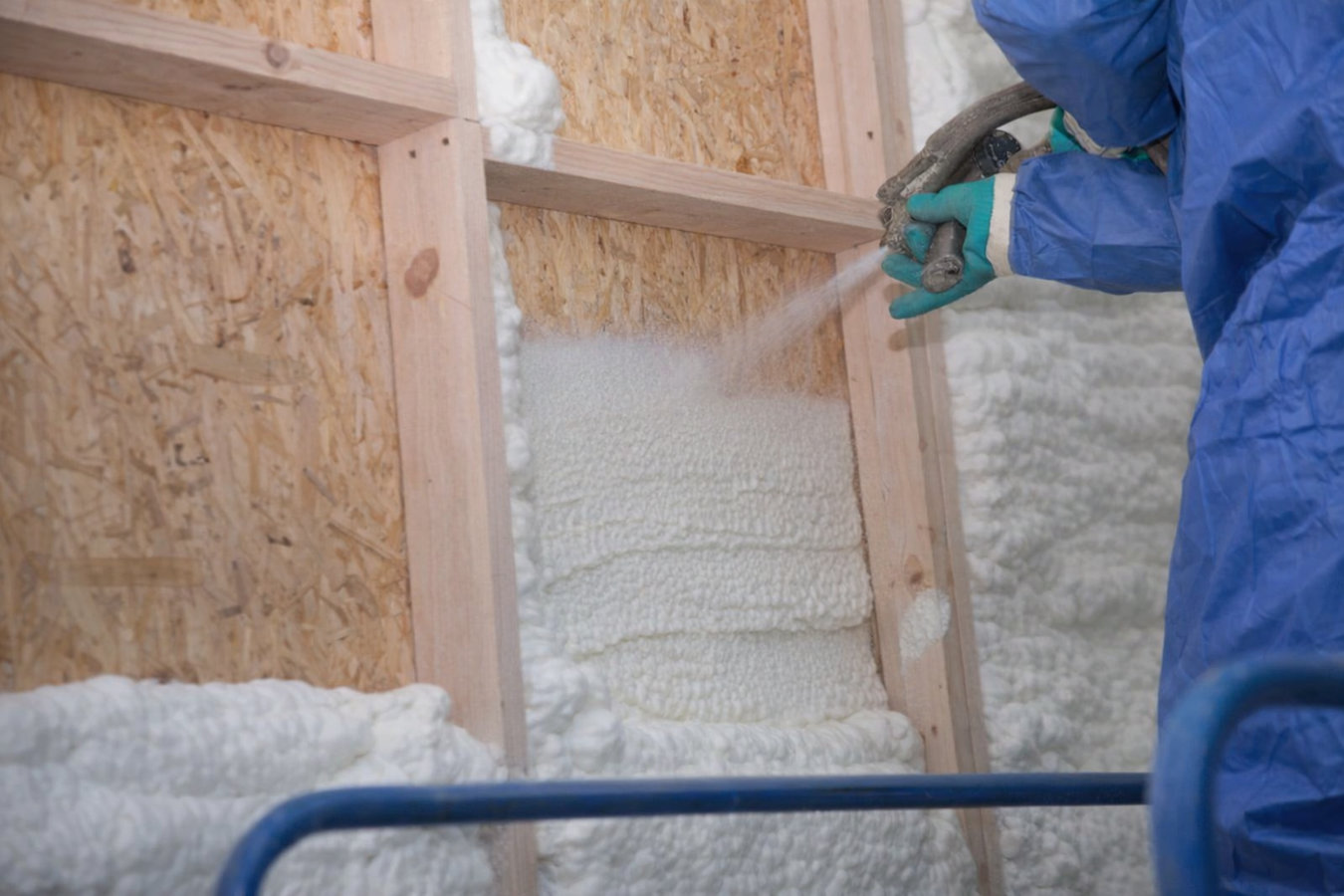
For homes that need the full treatment, we pair retrofit insulation with spray foam insulation in areas where a higher-performance air and thermal barrier is the right choice - rim joists, crawl space walls, and hard-to-reach spots where blown-in material alone is not the best fit. According to the U.S. Department of Energy, adding insulation to the attic is typically the single most cost-effective improvement a homeowner can make for reducing heating and cooling costs.
Best for homes with thin or settled attic insulation - loose-fill material is blown to the correct depth for a complete, even coverage that dramatically reduces heat transfer.
Best for homes with uninsulated or under-insulated exterior walls - material is injected through small holes that are patched after installation, leaving no visible disruption.
Best for pier-and-beam homes where uninsulated floors allow heat and humidity to move into the living space from below - a common issue in older Brownwood neighborhoods.
Best for homeowners who are not sure where to start - we measure insulation depth in every area of the home and prioritize the upgrades that will have the biggest impact on your bills.
Brownwood is in the heart of West-Central Texas, where summer temperatures regularly exceed 100 degrees F and the heat season stretches from May through September. Your attic acts like an oven directly above your living space for nearly half the year. A significant portion of Brownwood's housing was built between the 1940s and 1980s - long before insulation standards reflected that kind of heat load. Whatever was originally installed has had decades to settle, compress, or be disturbed by pests and moisture. Many of these homes are losing a meaningful amount of energy every single day, and homeowners feel it most in rooms that never cool down and electric bills that seem high no matter what they do. Retrofit insulation is one of the most direct ways to close that gap. The ENERGY STAR Seal and Insulate program identifies attic insulation as the highest-priority upgrade for existing homes in hot climates.
Many older Brownwood homes sit on pier-and-beam foundations rather than concrete slabs, which means there is an open crawl space under the floor as well as an attic above. Homeowners in communities like Comanche, TX and Lampasas, TX face the same combination of older housing stock and demanding climate. Addressing the attic first gives you the biggest return, but insulating the crawl space is often the second most impactful project - one that many homeowners do not think to ask about until a contractor mentions it during the assessment.
We ask a few quick questions - your home's age, approximate size, and what is prompting the call. We reply within 1 business day and schedule a free on-site visit at your convenience.
We go into your attic, measure the existing insulation depth, and check for gaps around pipes, fixtures, and the attic hatch. We check your crawl space if your home has one. This takes 30 to 60 minutes, and we explain what we find before we leave.
You receive a written estimate listing every area to be treated, the material to be used, and the total cost. A trustworthy estimate also confirms whether air sealing is included - this step should not be skipped. Take your time reviewing it before agreeing to anything.
The crew arrives, seals air gaps first, then blows insulation to the correct depth. Most attic jobs finish in two to four hours. Afterward, we show you the finished result and provide any documentation you need to claim a federal tax credit. No drying time - your home is ready immediately.
We measure, explain, and quote in writing. No obligation, no pressure. Serving Brownwood and Brown County.
(325) 510-3392Adding insulation without sealing gaps first is like putting a thick blanket over a window that is still cracked open. We seal every penetration in your attic floor before any insulation goes in - that is the correct order, and it is the step that separates a job that actually works from one that does not. The Building Performance Institute certifies contractors who follow this whole-home approach.
You should know what was done and be able to verify it. After every project, we show you the finished attic - the uniform layer of insulation at the correct depth, with no thin spots or bare patches - and provide photos. For homeowners claiming a federal tax credit, we supply the documentation you need to file.
Homes in Brownwood's established neighborhoods - the brick ranches and frame houses built from the 1940s through the 1970s - have specific insulation needs that differ from newer construction. We know what the original insulation looks like in these homes, where it has settled the most, and what the attic access situation typically is. That experience means fewer surprises on installation day.
We are based in Brownwood and serve Brown County and the surrounding communities. Every estimate is written, itemized, and delivered before any work starts - so you always know exactly what you are paying for. If the scope changes for any reason, we tell you before we proceed, not after the bill arrives.
These are not differentiators that sound nice on a website. They are the specific practices that determine whether your insulation upgrade actually lowers your energy bills or just adds a layer of material to an attic that still leaks.
High-performance spray foam for rim joists, crawl space walls, and areas where blown-in material is not the right fit.
Learn MoreWhole-home insulation services that address every area of the building envelope - attic, walls, crawl space, and more.
Learn MoreBeat the heat and lower your cooling bills - the sooner you schedule, the sooner you stop paying to fight your own attic. Call us today or request a free written estimate online.