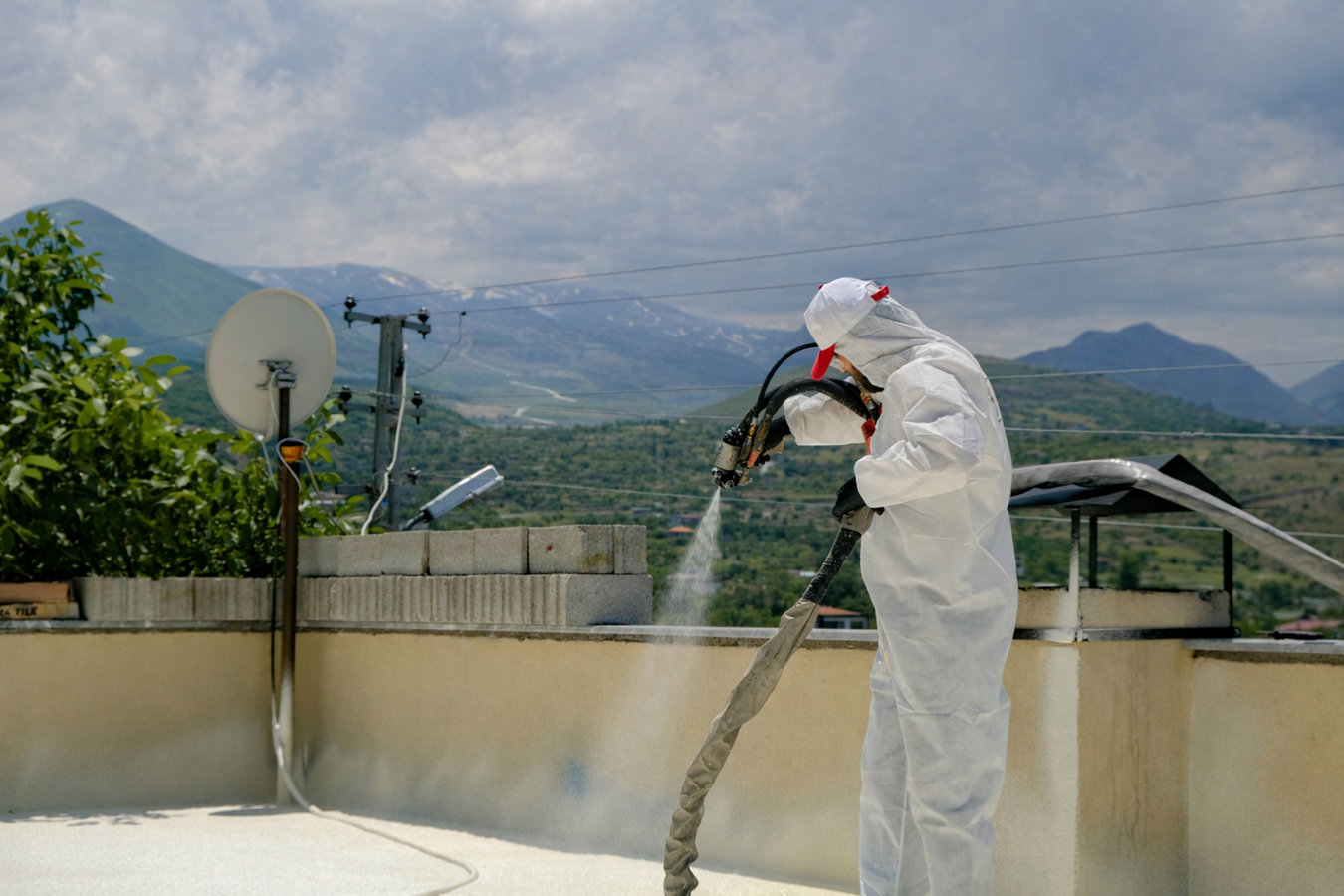
Brownwood Insulation serves Eastland, TX with spray foam insulation, attic blown-in upgrades, crawl space insulation, and air sealing for the older pier-and-beam and brick homes throughout Eastland County. No travel fees, free written estimates, and replies within one business day - serving the area since 2015.
Brownwood Insulation serves Eastland, TX with spray foam insulation, attic blown-in upgrades, crawl space insulation, and air sealing for the older pier-and-beam and brick homes throughout Eastland County. No travel fees, free written estimates, and replies within one business day - serving the area since 2015.
Eastland's older pier-and-beam homes have crawl spaces that expose the floor joist system to outside air, ground moisture, and summer heat from below - conditions that standard batt insulation handles poorly. Our spray foam insulation service seals the rim joist, sill plate, and floor joist cavities with a material that conforms to irregular framing and holds its air barrier through the soil movement and seasonal temperature swings common in Eastland County.
Eastland homes built before 1980 have attic insulation that has compacted well below the R-38 recommendation for this West Texas climate zone after years of summer temperatures above 100 degrees. That degradation is gradual, so most homeowners do not notice it until their HVAC system is running noticeably longer cycles and the utility bill climbs in July and August.
Pier-and-beam foundations are standard in Eastland homes built before the 1970s, and the crawl space underneath allows hot summer air and cold winter drafts to move against the floor system from below. Insulating the floor joists and sealing the crawl space perimeter stops that thermal exchange and eliminates the cold floor problem that residents in these homes notice throughout the winter months.
Blown-in loose-fill insulation is the most efficient way to bring an older Eastland attic up to current R-value standards because the work happens from the attic hatch without disrupting the living space below. It fills through irregular framing and around obstacles - features common in hand-built pre-1970 attics - where rigid batt insulation leaves gaps at the edges and corners.
Eastland's expansive clay soil shifts seasonally, and that movement gradually opens gaps at foundation sill plates, wall-to-ceiling connections, and around plumbing and electrical penetrations in older homes. Air sealing those points before adding any new insulation material is what makes an upgrade actually perform at its rated level - without it, conditioned air bypasses the insulation layer through gaps that have been there for decades.
The soil in Eastland County releases ground moisture even during dry stretches, and in a pier-and-beam home that moisture migrates upward through the open crawl space into the wood framing and subfloor. A properly installed polyethylene vapor barrier across the crawl space floor stops that pathway before it raises indoor humidity levels or causes long-term wood degradation in the floor system.
Eastland sits on Interstate 20 in the heart of West Texas, exposed to some of the most demanding climate conditions in the state. Summers are long and brutal, with temperatures climbing above 100 degrees from June through August and very low humidity that accelerates the degradation of roofing materials, caulk, and insulation alike. A large share of Eastland's housing stock was built before 1980, and those homes were designed to the energy standards of their time - standards that are well below what is needed to keep a West Texas home comfortable and efficient today. Most of the older homes in Eastland were built on pier-and-beam foundations with brick exteriors, which means the thermal envelope has gaps both above at the attic and below at the crawl space that interact with each other. When an older attic has inadequate insulation and the crawl space below has no thermal protection, the HVAC system is fighting heat gain from two directions simultaneously.
The soil in Eastland County is rich in expansive clay, which swells when it absorbs moisture and shrinks as it dries out. That repeated movement - driven by West Texas's cycle of dry summers and wet spring storms - puts ongoing stress on foundations, widens gaps at structural connections, and creates pathways for air and moisture to enter the home. According to the USDA Web Soil Survey, much of Eastland County's soil has high shrink-swell potential. Homes in this environment need insulation solutions that remain effective even as the structure shifts slightly over time - not just materials that perform well in a static, suburban setting. A contractor familiar with the specific building types and soil conditions in Eastland County will recognize those issues during an assessment and address them as part of the work.
Our crew works throughout Eastland regularly, and we know the housing stock here well - older brick homes on pier-and-beam foundations, modest single-family lots throughout the in-town neighborhoods, and a consistent pattern of deferred insulation maintenance in homes built between the 1930s and 1960s. Eastland is the county seat of Eastland County, positioned on I-20 roughly midway between Abilene and Fort Worth. Most residents are long-term homeowners who have lived in their homes for years and take maintenance seriously, but insulation is the kind of work that tends to go unaddressed until the utility bills or comfort problems become obvious.
The Eastland County Courthouse, built in 1928 and listed on the National Register of Historic Places, sits at the center of downtown and is the landmark most locals use to orient the town. The neighborhoods that radiate outward from downtown are where we do most of our residential work in Eastland - older homes on standard lots, pier-and-beam construction, brick facades, and attics that are typically accessible from a pull-down stair or a hatch in the hallway. Lake Leon, south of town, is the main recreation spot for Eastland County residents and marks the southern end of our regular service area in this part of the county.
We also serve Cisco, TX a few miles to the east, which has the same housing age range and building types as Eastland. Whether your home is in Eastland proper or out toward Cisco along the I-20 corridor, our pricing and service standards do not change based on which side of the county line you are on.
Call us at (325) 510-3392 or submit the contact form on this site and we will respond within one business day. You do not need to know the specific problem yet - just describe what area of the home concerns you and we will sort out the details at the visit.
A crew member comes to your Eastland home and walks through the attic, crawl space if applicable, and any other areas of concern. We measure what insulation is present, check for air gaps, and give you a written estimate before leaving - no travel fee for the visit to Eastland County and no obligation to move forward.
We schedule the work at a time that fits your calendar. Most attic and crawl space insulation jobs in Eastland are completed in a single day. You do not need to be home during the work for most attic and exterior crawl space access jobs - we let you know in advance if interior access is required for any part of the installation.
When the work is finished, we walk through the completed areas so you can see exactly what was installed. If questions come up in the weeks after the job, call us directly - we stand behind the work we do in Eastland the same way we do everywhere else we serve.
We serve Eastland and all of Eastland County with free written estimates and no travel fees. Most homeowners hear back within one business day.
(325) 510-3392Eastland is the county seat of Eastland County with a population of roughly 3,800, and it sits on Interstate 20 roughly midway between Abilene and Fort Worth. The town has stayed a consistent size for decades, which reflects a stable community of long-term owner-occupants rather than a transient rental market. Most of Eastland is made up of single-family homes on modest in-town lots, with the older residential neighborhoods spreading outward from the historic downtown square. Homes built between the 1930s and 1960s are the most common type in these neighborhoods - brick exteriors, pier-and-beam foundations, and attic spaces that have original or barely-updated insulation. Eastland is also the home of Old Rip, the legendary horned toad whose preserved body is on display in the current county courthouse - a piece of local history that nearly every resident knows.
Lake Leon, a reservoir south of town managed by the Texas Parks and Wildlife Department, is the main outdoor recreation spot for Eastland County residents and draws locals for fishing and camping throughout the year. The neighborhoods between downtown and the lake edge are where much of the residential work we do in Eastland is concentrated - older homes that need the same targeted insulation and air sealing work that characterizes most of the housing in this part of West Texas. We also regularly serve Cisco, TX to the east, which shares much of the same housing profile and building age range as Eastland, and our crew covers both communities without any change in pricing or service standards.
Creates an airtight seal that maximizes energy efficiency in your home.
Learn MoreHigh-density foam providing superior moisture and thermal resistance.
Learn MoreFlexible, sound-absorbing foam ideal for interior walls and ceilings.
Learn MorePrevents condensation damage and moisture intrusion in any space.
Learn MoreBrownwood Insulation serves Eastland and all of Eastland County - call now or submit the contact form and we will get back to you within one business day.