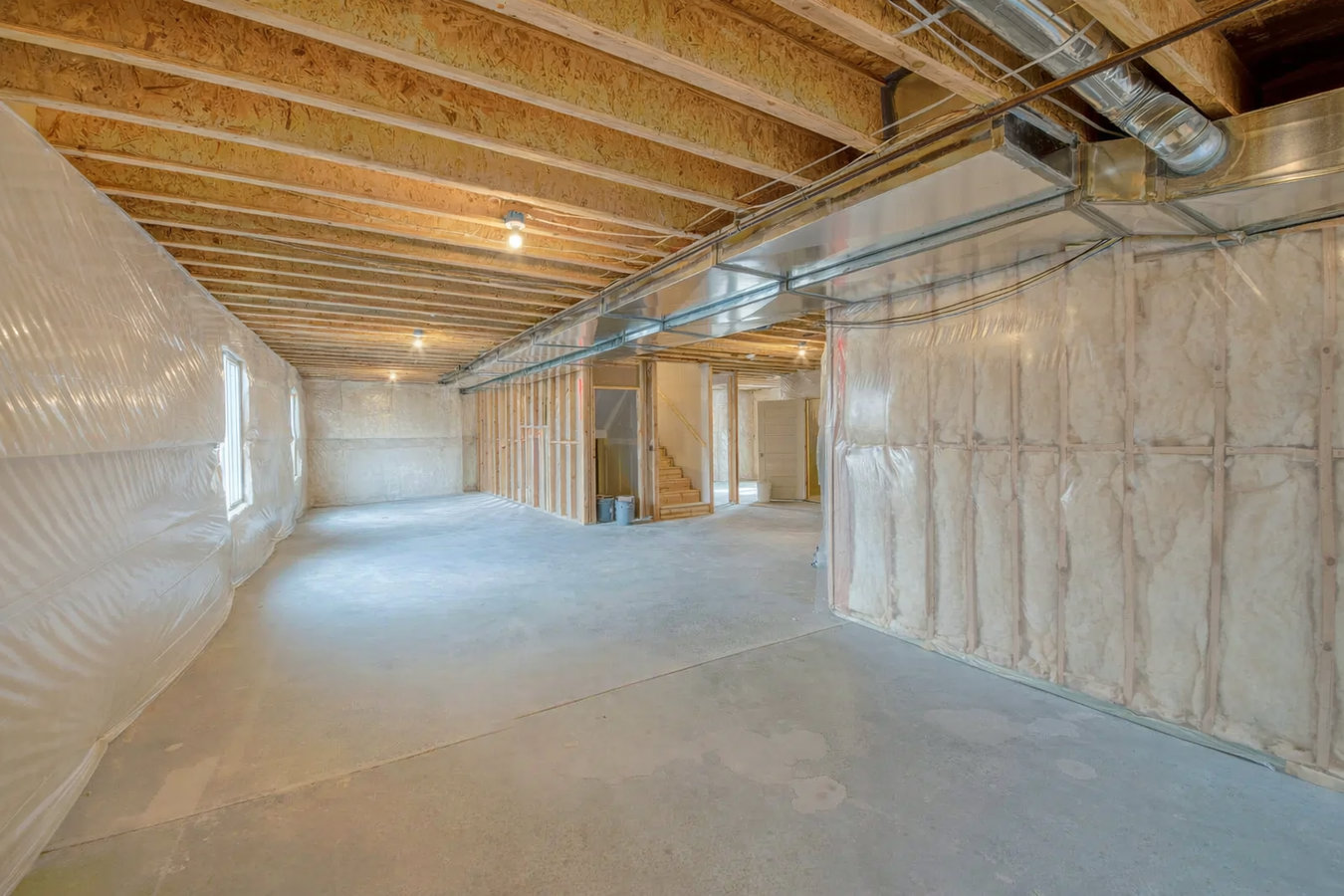
An uninsulated foundation lets Brownwood summers push heat into your home from below and lets winter cold creep up through your floors. We fix that with proper basement insulation - so your HVAC stops fighting uphill battles every month.
Basement insulation in Brownwood, TX creates a thermal barrier between your living space and the unconditioned air in your foundation area, stopping heat gain in summer and cold infiltration in winter - most jobs are completed in one to two days for a standard home.
If your energy bills spike every summer or your floors feel cold in winter, the foundation is often the culprit. Basement insulation blocks that heat and cold before it reaches your living space. It works best when paired with closed-cell foam insulation on foundation walls, which seals air gaps and insulates in one step.
Brownwood homes built before the 1980s often have little or no basement insulation - what was there has had decades to compress and lose effectiveness. A free in-home assessment tells you exactly where you stand.
If your electric bill climbs sharply from June through August despite no change in habits, heat is entering your home from below. In Brownwood, an uninsulated foundation acts like a heat collector right under your living space. Your air conditioner ends up working overtime to compensate.
Walk barefoot across a room above your basement. If it feels noticeably colder in winter or warmer in summer compared to other rooms, the space below is not insulated well. This temperature difference is one of the clearest signals homeowners can detect without any tools.
Brownwood's clay soils shift with seasonal rain and drought, opening small cracks in foundation walls over time. If you notice a damp or musty odor - especially after rain - or you see water stains on the walls, moisture is getting in. That moisture problem needs to be addressed before insulation goes in.
Homes in Brownwood's older neighborhoods were built under insulation standards far below what is recommended today. If you have never had the basement area inspected, there is a reasonable chance you are losing energy every day. A quick assessment costs nothing and gives you a clear picture.
We insulate both basement walls and the ceiling above unfinished basements, depending on whether the space is conditioned or left unheated. For foundation walls, we often recommend closed-cell foam insulation, which seals air gaps and insulates in a single application - making it especially effective for concrete and block surfaces that have developed small cracks over the years.
Before any insulation goes in, we check for moisture and air gaps around pipes, wires, and where the walls meet the framing above. Combining basement insulation with a vapor barrier installation protects against the moisture that Brownwood's clay soils can push through foundation walls. Every job starts with a written estimate that breaks down labor and materials so there are no surprises.
Best for conditioned basements where the walls face the outside - spray foam or rigid boards stop heat and cold from moving through concrete or block surfaces.
Best for unfinished, unheated basements - insulating the floor above separates your living space from the unconditioned air below and improves floor comfort year-round.
Best for homes with significant drafts at floor level - the rim joist area where your floor meets the foundation is one of the most common air leakage points in older homes.
Best as a first step before any insulation material goes in - we check for moisture entry points and seal gaps so the insulation can do its job without trapping water.
Brownwood sits in the Texas Hill Country transition zone, where summer temperatures regularly push past 100 degrees F and winter cold snaps can drop into the teens. That wide swing means your foundation is working against your HVAC system in both seasons. An uninsulated basement or crawl space lets summer heat rise into your living space from below and lets winter cold seep up through your floors - your heating and cooling system has to run longer and harder all year to compensate.
The clay-heavy soils throughout Brown County expand when wet and shrink when dry, which opens small cracks in foundation walls over time. These cracks become pathways for both moisture and outside air - especially relevant for homes in areas like Early, TX and Bangs, TX, where a significant share of homes were built in the mid-20th century. Addressing those entry points before insulation goes in is what makes the work last.
We reply within one business day. You tell us the basic details - basement size, whether it is finished or unfinished, and any moisture concerns - so we arrive prepared to give you an accurate estimate.
We walk through your basement, check for moisture, examine existing insulation, and look at gaps around pipes and wires. This visit typically takes 30 to 60 minutes and costs nothing. No pressure, just a clear picture of what needs to be done.
You get a written quote that separates labor and materials so you see exactly what you are paying for. We explain what we recommend and why - no jargon, no pressure to decide on the spot.
Most jobs take one full day. We seal gaps first, then install the insulation material. Before we leave, we walk you through the finished work so you can see what was done and ask any last questions.
Free estimate, written quote, no obligation. We reply within one business day.
(325) 510-3392Brownwood's clay soils make moisture assessment a required first step, not an optional add-on. We check for water entry points before any material goes in. Installing insulation over a moisture problem creates a mold issue - we will not do that.
We work on Brownwood homes every week and understand the challenges that come with mid-20th century construction - settling foundations, original framing, and insulation that was undersized from day one. That firsthand knowledge shapes how we approach every assessment.
You see the full scope and cost in writing before we begin. Labor and materials are broken out separately so there is nothing hidden. A reputable contractor - per guidelines from the North American Insulation Manufacturers Association - will always provide this documentation upfront.
We know which basement insulation jobs in Brownwood require permits through the City of Brownwood Building Department and handle that process on your behalf. As a local business in Brown County, we are accountable to the community in a way out-of-town crews are not.
Every one of these practices comes back to a simple goal: insulation that works the way it is supposed to, installed in a home we would be comfortable putting our name on. Call us or submit a request online to get started.
High-density spray foam that seals and insulates foundation walls in a single application - ideal for concrete and block surfaces.
Learn MoreA moisture barrier installed in the foundation area to prevent ground moisture from entering your living space.
Learn MoreBrownwood summers start early - schedule your free assessment now so your home is ready before the heat arrives.