Brownwood Insulation provides home insulation, blown-in attic upgrades, crawl space work, and vapor barrier installation to homeowners in Comanche, TX - a crew familiar with the pier-and-beam foundations and clay soil conditions common throughout Comanche County. Free estimates and replies within one business day, serving the area since 2015.
Brownwood Insulation provides home insulation, blown-in attic upgrades, crawl space work, and vapor barrier installation to homeowners in Comanche, TX - a crew familiar with the pier-and-beam foundations and clay soil conditions common throughout Comanche County. Free estimates and replies within one business day, serving the area since 2015.
Most Comanche homes were built before modern energy codes required meaningful insulation levels, which means they lose far more heat and cool air than they need to. Our home insulation service covers the whole house - attic, walls, crawl space, and transition zones - so every dollar your HVAC spends actually stays inside the building envelope.
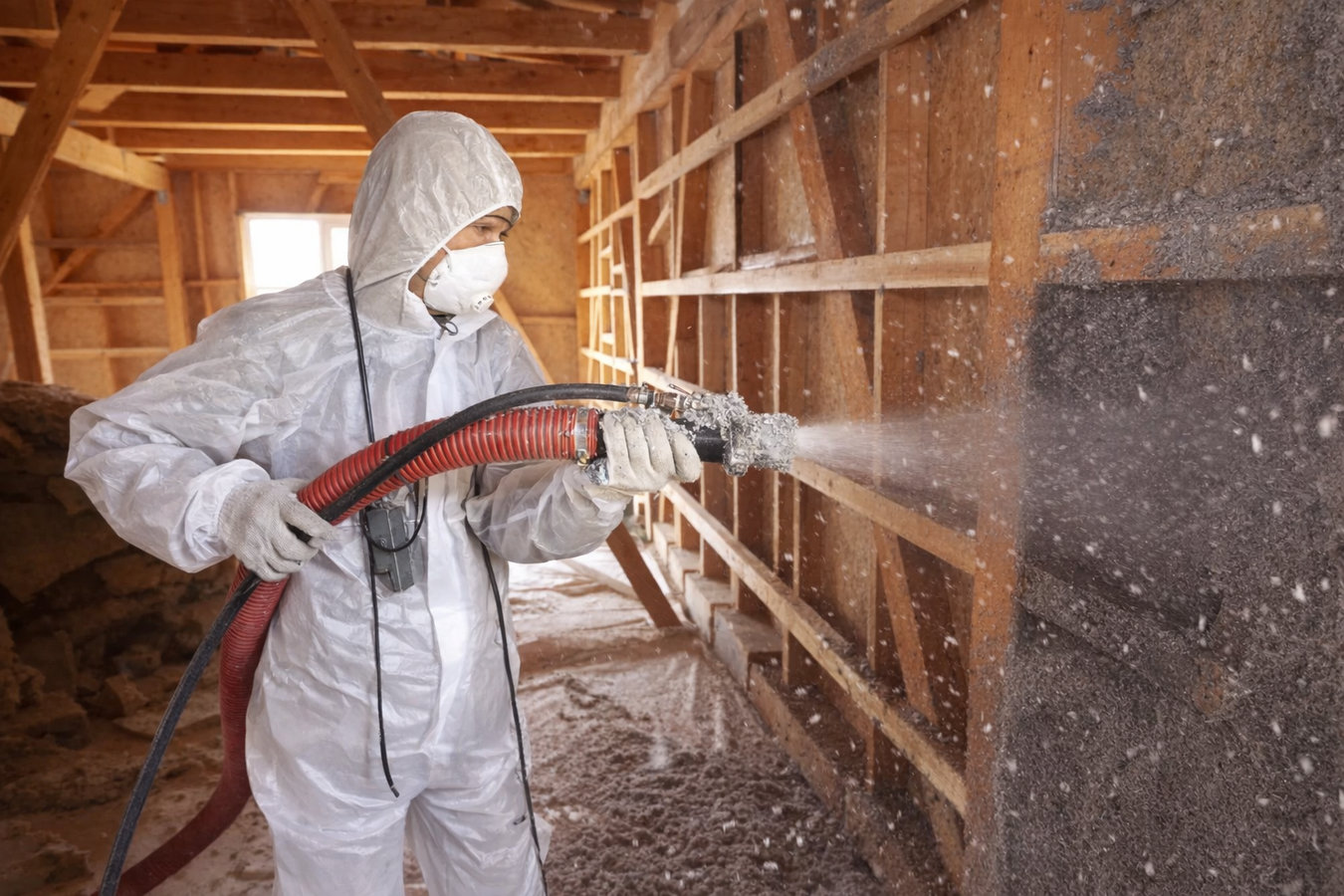
Comanche attics in older homes are routinely under-insulated, often with original fiberglass batts that have compacted to a fraction of their rated R-value after decades in the Texas heat. Loose-fill blown-in insulation covers the entire attic floor - including over joists where batts leave gaps - and brings coverage up to the R-38 level recommended for this climate zone without requiring a full tear-out.
Pier-and-beam foundations are common throughout Comanche, and the crawl spaces beneath these homes are rarely insulated or sealed. Unconditioned air and ground moisture move freely through the floor system, making rooms cold in winter and raising indoor humidity in summer. Insulating the crawl space joists and closing off the ground moisture pathway cuts both problems at the source.
Comanche County clay soil releases ground moisture year-round, and without a vapor barrier in the crawl space that moisture migrates into the wood subfloor and framing above it. A properly installed polyethylene barrier stops that pathway before it causes wood rot, elevated indoor humidity, or mold growth in the floor structure.
In Comanche homes, the gaps that open at sill plates as clay soil shifts with each wet-dry cycle are direct air pathways that R-value alone cannot close. Sealing those points - along with attic penetrations at recessed lights, wiring chases, and the attic hatch - before adding insulation means the insulation actually performs at its rated value instead of compensating for air movement.
For Comanche homes that need both an air barrier and a thermal barrier at the same location - particularly around rim joists, crawl space walls, and basement sill plates - spray foam delivers both in a single application. It is the right tool when gaps and thermal bridging are concentrated in the same area and cannot be addressed separately.
Comanche sits in central Texas where summers are long, hot, and unforgiving. Temperatures regularly push past 95 degrees from June through September, and the heat is dry - which means roofing materials, exterior caulking, and insulation all degrade faster than in more temperate climates. A significant share of Comanche homes were built before the 1970s, when insulation requirements were minimal and air sealing was not a recognized step in the construction process. These homes are working against themselves every summer, with HVAC systems running harder than they should to compensate for heat gain that better insulation would prevent.
The expansive clay soils throughout Comanche County create a second, less visible problem. Clay soil shrinks during dry spells and swells when wet - a cycle that happens multiple times each year - and that movement opens small but persistent gaps at the sill plate and around utility penetrations in the foundation. Insulation adds R-value but does not seal those openings. The homes that see the biggest improvement in comfort and energy costs after an insulation project are typically the ones where air sealing was done first, closing those soil-movement gaps before new material was installed.
Our crew works throughout Comanche regularly, and we understand the local conditions that affect insulation work here. Comanche is the county seat of Comanche County, a small but established town of roughly 4,300 people where most residents own their homes and have been in them for years. The older housing stock - much of it built before 1970 on pier-and-beam foundations - is what we see most often on jobs in this area. We understand what those homes look like from the crawl space up, and we plan for the extra prep work they typically require.
Comanche sits at the intersection of US Highway 67 and US Highway 377, which makes it a natural hub for the surrounding rural area. The Comanche County Courthouse anchors the town square, and the residential neighborhoods spread out from downtown in a pattern typical of county seats - older homes near the center, with larger lots and more rural character toward the city limits. Pecan orchards are common on the county roads outside town, and many properties include outbuildings or barns in addition to the main house.
We also serve Goldthwaite, TX to the south and regularly move between both areas on the same route. If you have a neighbor or family member in the county who also needs insulation work, let us know and we can schedule both jobs together.
Reach us by phone at (325) 510-3392 or use the contact form on this site. We reply within one business day and work around your schedule for the estimate visit.
We come to your Comanche home, inspect the attic, crawl space, and walls, and give you a written price before any work begins. There is no charge for the estimate and no obligation to proceed.
Most Comanche insulation jobs are completed in a single day. You do not need to leave your home during the work - we coordinate access to attic hatches and crawl space entries and clean up before we leave.
After the work is done, we walk through what was installed and where. If anything comes up after we leave, call us directly - we stand behind the work we do in Comanche.
We serve Comanche and Comanche County with free written estimates and no-obligation consultations. Call or submit the form and we will get back to you within one business day.
(325) 510-3392Comanche is the county seat of Comanche County, located in central Texas roughly 100 miles southwest of Fort Worth. With a population of around 4,300, it is a small but self-contained community with its own schools, medical facilities, and commercial center built around the historic courthouse square. The town has a long history tied to ranching and agriculture - Comanche County is one of the top pecan-producing counties in Texas - and the local economy still reflects those roots. Most residents are long-term homeowners with ties to the area that go back generations.
The housing stock in Comanche is predominantly single-family, with a strong concentration of homes built between the 1940s and 1970s on the streets radiating out from downtown. Brick exteriors are common on mid-century homes, and many properties include detached garages, storage buildings, or larger lots with outbuildings - typical of a county seat town in this part of Texas. We also regularly serve Coleman, TX to the northwest, and many of the same housing characteristics and climate challenges apply across both communities.
Creates an airtight seal that maximizes energy efficiency in your home.
Learn MoreHigh-density foam providing superior moisture and thermal resistance.
Learn MoreFlexible, sound-absorbing foam ideal for interior walls and ceilings.
Learn MorePrevents condensation damage and moisture intrusion in any space.
Learn MoreSummer heat and clay soil movement do not slow down - the sooner your home is properly insulated and sealed, the sooner your energy bills reflect it. Call us today or submit the online form.