Brownwood Insulation provides insulation contracting in Cisco, TX, including commercial insulation, attic blown-in upgrades, spray foam, and air sealing for the older brick veneer and wood-frame homes throughout Eastland County. We respond within one business day and do not charge travel fees to reach Cisco - serving the area since 2015.
Brownwood Insulation provides insulation contracting in Cisco, TX, including commercial insulation, attic blown-in upgrades, spray foam, and air sealing for the older brick veneer and wood-frame homes throughout Eastland County. We respond within one business day and do not charge travel fees to reach Cisco - serving the area since 2015.
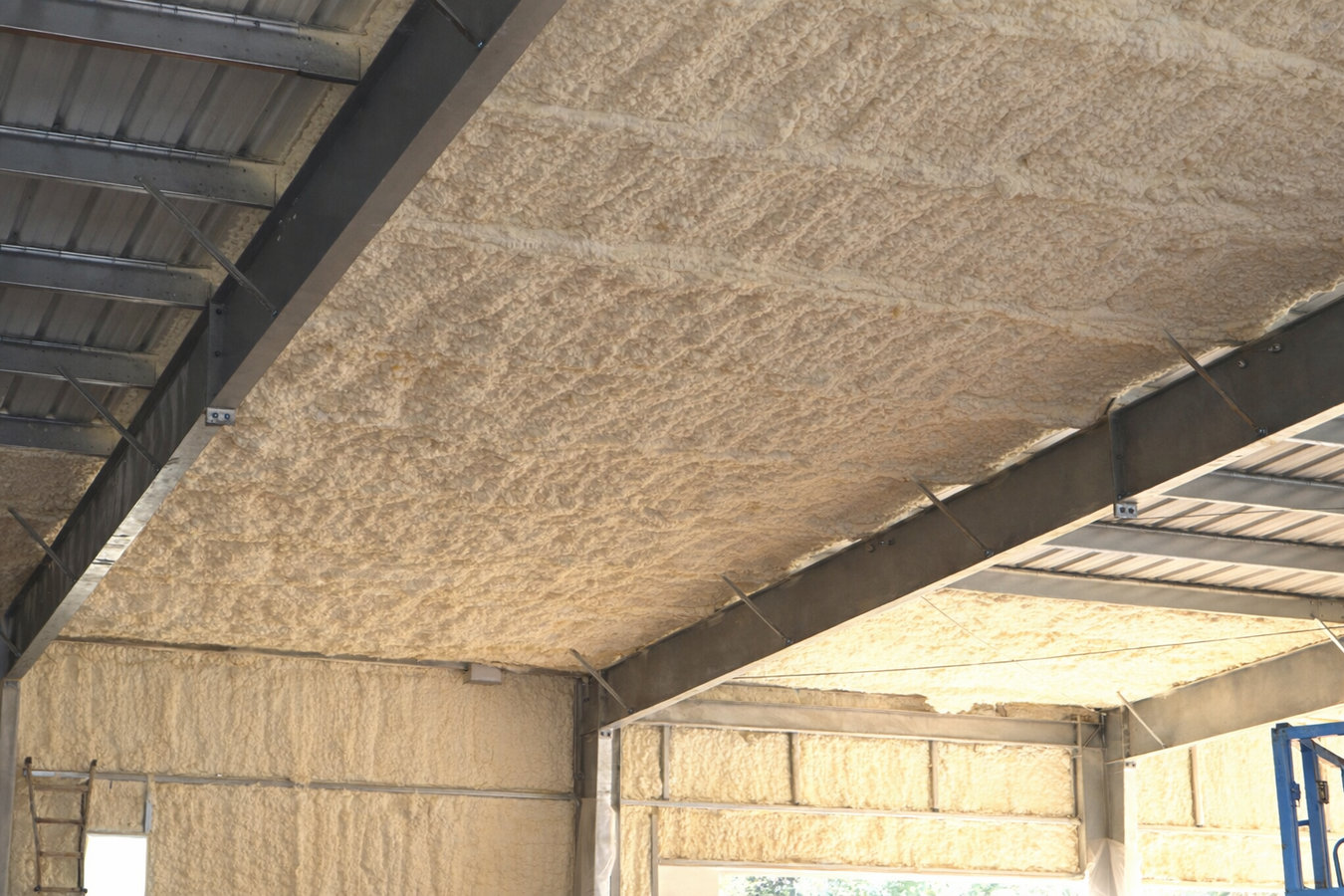
Cisco has a mix of older commercial buildings along the US 183 and I-20 corridors that were built with minimal insulation standards by today's codes. Our commercial insulation work covers metal buildings, masonry block structures, and mixed-use spaces in Eastland County, bringing those envelopes up to current performance levels so your cooling and heating load drops without a full renovation.
Most Cisco homes built before 1980 have attic insulation that has compacted well below the R-38 recommendation for this West Texas climate zone. The sustained summer heat above 95 degrees accelerates that degradation, and once the material loses effective depth, the HVAC system runs longer to make up the difference - a cost that adds up every billing cycle in Cisco.
Cisco's brick veneer homes have connection points between the exterior brick and the wood framing where air leaks freely past standard batt insulation. Spray foam applied at the rim joist, sill plate, and attic floor penetrations seals those gaps completely, which matters most during the cold snaps that hit Eastland County each winter and during the intense summer heat that puts the most strain on older homes.
The caliche soil in Eastland County shifts as it dries and rehydrates, and over time that movement opens gaps at foundation sill plates and floor framing that are invisible from inside the home. Sealing those penetrations before adding any new insulation material means the upgrade performs at its rated level rather than being bypassed by air movement through gaps that have widened gradually over decades.
Blown-in loose-fill insulation is the fastest way to bring an older Cisco attic up to current R-value standards because the entire job happens from the attic access with no disruption to the living space below. It fills around obstacles and through irregular framing - common in homes built by hand before dimensional lumber was standardized - where batt insulation leaves gaps.
Older Cisco homes on pier-and-beam foundations have crawl spaces exposed to the West Texas climate with no thermal or moisture protection between the soil and the floor system. Insulating the floor joists and sealing the crawl space walls stops both the heat gain in summer and the cold air infiltration in winter that residents in these homes often feel as cold floors throughout the heating season.
Cisco sits on the Rolling Plains of West Texas, where summers run long and hot and the sun is relentless from June through September. Temperatures regularly climb above 95 degrees for weeks at a stretch, and that sustained heat bakes roofing materials, dries out caulk, and degrades the original insulation in older homes faster than in more temperate parts of Texas. A large share of Cisco's housing stock was built before 1980, and those homes were constructed to the insulation standards of their era - which fall well short of what is needed to keep a West Texas home comfortable and efficient today. Brick veneer over a wood frame was the dominant construction method throughout Cisco from the 1930s through the 1970s, and while the brick looks solid from the outside, the wood framing behind it can develop air gaps at corners, windows, and where the roofline meets the wall that are invisible without an experienced contractor walking through.
Eastland County also sees hard freezes during winter, with temperatures dropping below 20 degrees during cold snaps and occasional ice events like the ones that affected West Texas in 2021. Older Cisco homes with minimal insulation are hit the hardest during those events because there is little thermal buffer between the exterior and the living space. The caliche and clay soils in this part of the county add a structural layer to the problem - the soil swells after rain and shrinks during dry stretches, and that repeated movement opens gaps at foundation sill plates and floor connections over decades. These are not cosmetic issues, and addressing them requires a contractor who has worked on the specific building types and soil conditions common in Cisco - not just someone familiar with newer suburban construction.
Our crew works throughout Cisco regularly, and the housing stock here is something we know well - older brick veneer homes on wood frames, a mix of in-town lots with modest single-family houses, and commercial buildings along the I-20 corridor that have never been brought up to modern insulation standards. Cisco is about 100 miles west of Fort Worth on Interstate 20, and most of the homes here were built in the mid-1900s when the oil economy in Eastland County was active. Those homes have held up through decades of West Texas weather, but they were never designed for the energy efficiency standards in place today.
The community is close-knit and most residents are long-term homeowners who know their houses well but may not have had insulation looked at in years. Conrad Hilton bought his first hotel - the Mobley Hotel - in Cisco in 1919, and the building still stands downtown. The town has a strong sense of local identity, and we work here the same way we work in Brownwood - with a crew that knows the area and understands what West Texas weather does to a house over time. Lake Cisco, north of downtown, draws locals for fishing and recreation and marks the northern edge of the neighborhoods we cover regularly.
We also serve Eastland, TX just to the west, which has a similar housing profile - older homes on modest lots with pier-and-beam foundations and brick exteriors that need the same type of targeted insulation and air sealing work. Our pricing does not change based on which Eastland County town you are in.
Reach us by phone at (325) 510-3392 or through the contact form and we will respond within one business day. You do not need a detailed description of the problem - just tell us the general area of the home you want looked at and we will handle the rest at the visit.
A crew member visits your Cisco home, walks the attic, checks the crawl space if present, and documents exactly what insulation exists and where the air gaps are. We give you a written estimate before leaving - no pressure, no obligation, and no travel fee for the visit to Eastland County.
We schedule the work at a time that fits your calendar. Most attic and crawl space jobs in Cisco are completed in a single day, and you are free to be home or away during the work - we do not need access to the living space for most attic and crawl space jobs.
When the work is done, we walk through the completed areas with you so you can see what was installed and ask any questions. If you notice anything in the weeks following that prompts a question, you can call us directly - we stand behind the work we do in Cisco.
We serve Cisco and all of Eastland County with free written estimates and no travel fees. Most homeowners hear back within one business day.
(325) 510-3392Cisco is a small West Texas city in Eastland County with a population of around 3,700 and a well-earned place in American business history. Conrad Hilton purchased his first hotel - the Mobley - here in 1919, and the building still stands downtown as a preserved landmark. Most of Cisco is made up of single-family homes on modest in-town lots, the majority built between the 1930s and 1970s during the oil-driven growth of the Eastland County economy. The residential character of the town is consistent throughout - wood-frame construction with brick veneer exteriors, detached garages or carports, and front-yard setbacks that follow the street grid laid out in the early 1900s. The U.S. Census Bureau puts Cisco's owner-occupancy rate well above 60%, which reflects a community of long-term residents who invest in their properties rather than rotate through them.
Lake Cisco, just north of downtown, is where locals fish and spend time outdoors - it marks the northern boundary of the main residential neighborhoods. The town sits along Interstate 20 roughly halfway between Abilene and the Dallas-Fort Worth area, which makes it accessible but distinctly West Texas in character. Nearby Eastland, TX is the county seat just a few miles to the west and shares much of the same housing profile and building age range as Cisco. We work throughout both communities and understand the specific conditions that affect insulation performance in homes built here.
Creates an airtight seal that maximizes energy efficiency in your home.
Learn MoreHigh-density foam providing superior moisture and thermal resistance.
Learn MoreFlexible, sound-absorbing foam ideal for interior walls and ceilings.
Learn MorePrevents condensation damage and moisture intrusion in any space.
Learn MoreBrownwood Insulation serves Cisco and all of Eastland County - call now or submit the contact form and we will get back to you within one business day.