Your attic can hit 140 degrees on a July afternoon. Every gap in your attic floor sends that heat straight into your living space. Attic air sealing closes those gaps so your home stays cooler and your air conditioner stops working overtime.
Attic air sealing in Brownwood, TX means finding and plugging every gap, crack, and penetration in your attic floor - the ceiling of your living space - using foam, caulk, or rigid material, with most average homes completed in one day.
Most homes have dozens of these openings around recessed lights, plumbing pipes, electrical wiring, and wall tops. You cannot see them from inside, but they work constantly - pulling conditioned air up into the attic in winter and letting superheated attic air pour down into your living space all summer long. In Brownwood, where the cooling season stretches from late April through October, those gaps are costing you money every single day. Sealing them is not the same as adding insulation - insulation slows heat through solid surfaces, but only air sealing stops air movement through gaps entirely.
If you have been thinking about improving your attic, air sealing should come first. We also offer full air sealing services for the entire home, addressing leaks at every level of the building envelope.
If you walk into a hallway or upstairs bedroom in summer and feel a wave of heat, hot attic air is pushing into your living space. In Brownwood, attic temperatures can climb high enough that even a small gap acts like a heat vent pointed at your ceiling. This is one of the most common complaints homeowners describe before getting their attic sealed.
If your electric bill doubles or triples during summer compared to spring or fall, your air conditioner is likely working overtime to fight heat coming through your attic floor. Brownwood's long cooling season means this pattern repeats every year, and the cumulative cost adds up fast. A home with significant air leaks can have noticeably higher cooling costs than a well-sealed home of the same size.
Stand in a room with the lights off on a bright day and look at your recessed ceiling lights or ceiling fan boxes. If you can see light around the edges, air is moving through those same gaps. You might also notice a faint draft near fixtures when your HVAC is running - that is conditioned air escaping upward or hot attic air being pulled down.
Excessive fine dust that settles quickly after cleaning often means your home is pulling in a large volume of outside air through gaps in the attic floor. In Brownwood, where dry and dusty conditions are common during summer and drought periods, this problem is especially noticeable. If you find yourself dusting every few days and still feel like the house is never clean, air leakage is a likely contributor.
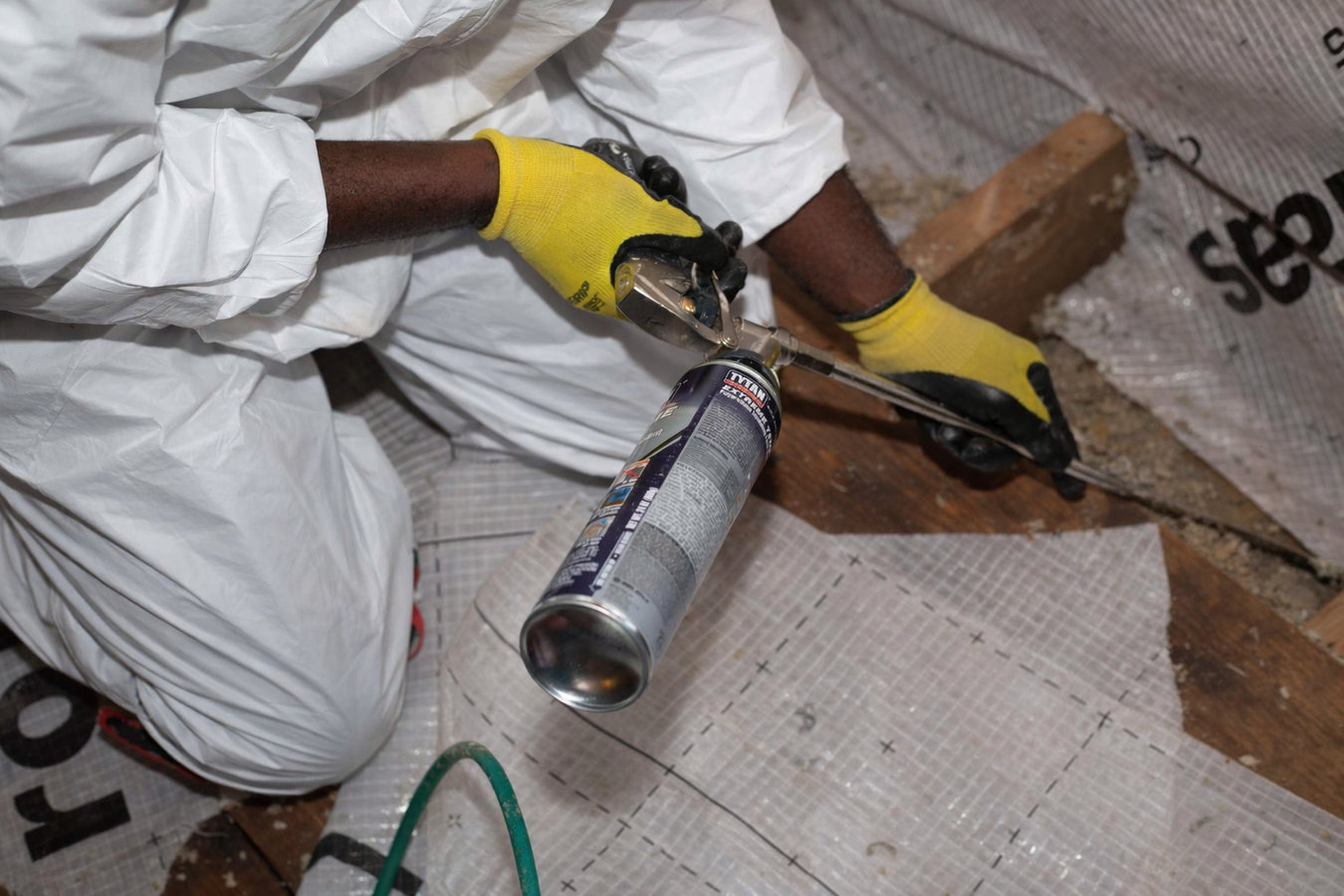
Every attic air sealing project starts with a thorough inspection before any material is applied. We locate all the penetrations - pipe stacks, wiring runs, recessed light boxes, wall top plates, attic hatches, and HVAC chases - and seal each one with the right material for the size and location of the gap. Small gaps get caulk. Larger openings get spray foam or rigid blocking. The goal is a complete air barrier across the entire attic floor, not just the obvious spots. When you combine this with proper insulation on top, both work far better than either would alone.
After air sealing is complete, adding insulation on top gives you the full benefit of both layers working together. We offer retrofit insulation to bring existing attics up to current standards - blown-in material covers the sealed attic floor evenly and finishes the job the right way. A quality contractor should be able to show you measurable before-and-after results. We use blower door testing to verify that the sealing work made a real, quantifiable difference.
Best for homes that have never been sealed - a complete treatment of every penetration in the attic floor with foam, caulk, and rigid blocking as needed.
Best for homeowners adding blown-in insulation - sealing is done first so the insulation layer performs as designed instead of covering unsealed gaps.
Best for homeowners who want verified results - a pressurized fan test measures your home's air leakage before and after sealing so you can see the actual improvement.
Best for homes where the attic hatch or HVAC equipment penetrations have been overlooked - these are among the largest single sources of air leakage in many homes.
Brownwood sits in the Texas Rolling Plains region, where summer temperatures routinely exceed 100 degrees F and the cooling season stretches from late April through October. That is a long time to fight heat - and every gap in your attic floor makes that fight harder. When your attic reaches 140 degrees on a July afternoon, the temperature difference between your attic and your living space can be 50 degrees or more. Air moving through gaps at that scale is a primary driver of your cooling costs, not a minor factor. A significant portion of Brownwood's housing was built in the 1950s through 1980s, before energy codes required any attention to air sealing, and many of those homes have never had this work done. The older the home, the more gaps there are - and the more there is to gain. According to the U.S. Department of Energy, air sealing and insulation together can meaningfully reduce heating and cooling costs in homes with significant air leakage.
Homeowners in communities like Early, TX and Coleman, TX deal with the same climate pressures as Brownwood - long hot summers, older housing stock, and electric bills that spike every June. Attic air sealing is one of the most direct ways to address those costs. The ENERGY STAR Seal and Insulate program recognizes air sealing as a foundational step before any insulation upgrade, and the payback period for homes in high-cooling-demand climates like ours is typically shorter than in milder regions.
When you reach out, we ask a few basic questions - your home's approximate age and square footage - so we come prepared. We reply within 1 business day and schedule a visit that works for you.
We inspect your attic in person - counting penetrations, checking existing insulation, and looking for any moisture or ventilation concerns that need addressing first. Some homeowners also ask for a blower door test at this stage for a baseline measurement.
You receive a written estimate that spells out what will be sealed, what materials will be used, whether insulation will be moved and replaced, and whether a post-job blower door test is included. Ask every question you have before agreeing to anything.
The crew works in your attic - one full day for most homes - while you carry on your normal routine. When finished, we walk you through what was done and show you before-and-after test results if blower door testing was part of the scope. Your home is ready to use immediately.
Free assessment, written estimate, no obligation. We serve Brownwood and all of Brown County.
(325) 510-3392We use blower door testing before and after the job so you have a real number - not just a promise. That before-and-after measurement is the clearest proof that the work made a difference, and it is the standard set by the Building Performance Institute for home energy work done right.
Homes from the 1950s through 1980s - which make up a large share of Brownwood's housing stock - have specific gap patterns around knob-and-tube wiring paths, original plumbing stacks, and older light fixture boxes. We know what to look for in these attics and do not miss the gaps that less-experienced crews skip over.
Every project starts with a written estimate that lists exactly what will be sealed, what materials we use, and what the total cost is - before any work begins. No verbal quotes, no surprises when the job is done. You know what you are paying for before we start.
We are a local Brownwood company. We know the housing stock here, the climate here, and what actually works in this part of Texas. When you call, you reach someone who has worked on homes in your neighborhood - not a national call center scheduling a subcontractor from out of town.
Every one of these points comes back to the same thing: we do the work correctly, we verify it, and we stand behind it. That is what makes the difference between a job that actually lowers your energy bills and one that just moves some foam around in your attic.
Add insulation to an existing Brownwood home without tearing out walls - the natural next step after air sealing is complete.
Learn MoreWhole-home air sealing that addresses leaks at every level - not just the attic - for a tighter, more comfortable house.
Learn MoreBrownwood summers are long and brutal - locking in your appointment now means your home is ready before the worst of the heat arrives. Call us today or request a free estimate online.